How to Make Boom Bap Beats: Classic Hip-Hop Production Guide
Boom bap never died.
It went underground while trap dominated the mainstream. But scroll through any beat playlist and you'll find producers keeping the tradition alive—dusty drums, chopped samples, that head-nodding swing that defined Hip-Hop's golden era.
Now boom bap is resurging. Artists like Griselda brought it back to visibility. A new generation discovered that sometimes the simplest beats hit hardest. And producers who understand the craft have something that algorithm-chasing trend-hoppers don't.
Boom bap isn't nostalgia. It's a discipline—and disciplines outlast trends.
The Sound's DNA
Boom bap emerged from the late '80s and peaked in the '90s. Pete Rock, DJ Premier, J Dilla, Madlib—these names define the template. The production is sample-based, drum-focused, and deceptively simple.
The name comes from the sound: "boom" for the kick, "bap" for the snare. That interaction—the punch and crack of the drums—drives everything. Melodies matter, but drums reign supreme.
Tempo typically sits between 85-95 BPM. Slower than modern trap, faster than most lo-fi production. This tempo creates the pocket where MCs can ride comfortably, flowing without rushing.
The aesthetic embraces imperfection. Vinyl crackle, tape hiss, slightly off-grid drums—these "flaws" are features. They create the warm, human character that digital perfection lacks.
Sampling: The Core Skill
Traditional boom bap starts with digging. Crate digging originally meant searching record stores for samples; now it includes digital exploration. Soul, funk, jazz, and easy listening from the '60s and '70s provide the classic source material.
Finding the right sample requires patience. You're listening for moments—a chord progression, a vocal phrase, a drum break—that could anchor a beat. Not every record yields usable samples. The hunt is part of the process.
Chopping techniques define your style. Some producers prefer long loops; others chop to individual hits and rearrange. DJ Premier chops create different feels than Pete Rock chops. Study the masters to understand the options.
Sample clearance matters for commercial release. Many boom bap producers flip samples unrecognizably to avoid clearance issues. Others limit release to mixtapes and projects where clearance is less rigorously enforced. Understand the legal landscape before releasing.
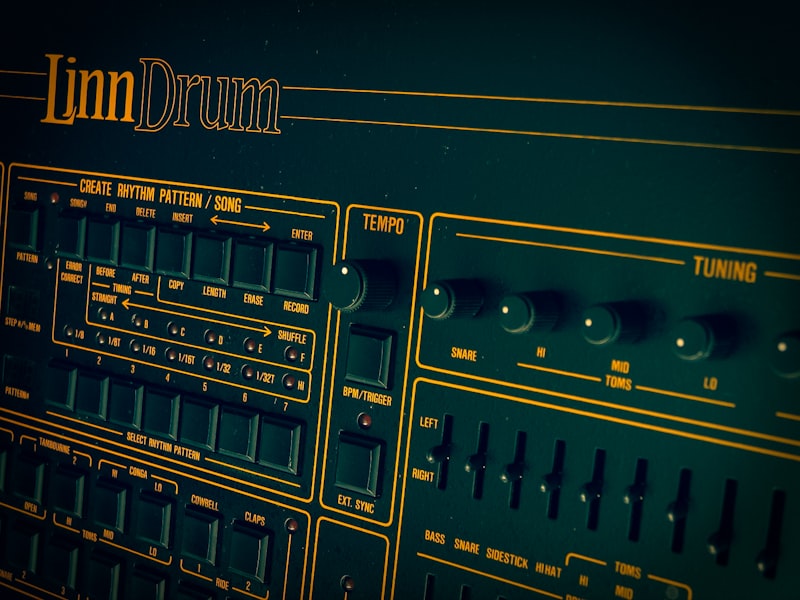
Programming Those Drums
Boom bap drums need weight. Kicks should thump—not the sub-heavy 808 punch of modern production, but a warm, round thud that moves air. Classic kick sounds came from vintage breaks—James Brown, The Meters, countless soul recordings.
Snares crack with high-frequency bite. The "bap" is snappy and present, cutting through the sample. Layering multiple snare sounds—one for body, one for crack—creates the full character the genre demands.
Hi-hats stay simple. None of the elaborate rolls and triplet patterns of trap. Simple eighth or sixteenth notes, maybe a shuffle, with velocity variation for human feel. The hi-hats support; they don't dominate.
Swing is essential. MPC swing—that specific groove from the Akai samplers—defines the sound. In modern DAWs, approximate it with swing settings around 55-60%. Or program manually off-grid. The drums should feel like someone played them.
Sound Selection and Processing
Drums should sound like they came from vinyl. Even with modern samples, processing adds vintage character. Bit crushing, tape saturation, subtle distortion—these tools age clean recordings.
Sample sources define the melodic foundation. If you're not sampling, your sounds should evoke the same era. Warm analog synths, Rhodes piano, live bass, live horn sections. Digital and modern sounds clash with the aesthetic.
Low-pass filtering removes modern harshness. Cutting highs above 10-12kHz creates the dull, warm character of vinyl-era recordings. This simple technique transforms clean samples into boom bap-appropriate material.
The PARADISO Sound Kit includes sounds with built-in warmth—drums with vintage character, melodic elements that evoke the classic era without sampling clearance concerns.
Arrangement Philosophy
Boom bap arrangements are sparse. A drum loop, a sample, maybe a bass line, maybe a scratched hook. That's often it. The production leaves room for the MC—the beat serves the voice, not the other way around.
Variation comes from subtraction and addition. Drop the drums for a bar to emphasize a lyric. Add a doubled kick to mark a transition. The changes are subtle but effective.
Structure follows traditional Hip-Hop forms: intro, verse, hook, verse, hook, outro. The format supports MCs who write in these patterns. Understanding this structure helps your beats serve artists.
Scratching adds production personality. Even if you're not a DJ, incorporating scratch sounds and vocal samples adds authenticity. Premier's scratched hooks are as memorable as any sampled melody.
Modern Boom Bap Evolution
Contemporary boom bap producers incorporate modern elements without abandoning the core aesthetic. Grimier mixes, harder drums, different sample sources—the sound evolves while maintaining DNA.
Griselda's production team shows one direction: aggressive, dark, maintaining boom bap structure with updated attitude. Alchemist shows another: experimental sample choices, unexpected textures, keeping the drums foundational.
Elements from darker modern production can blend with boom bap fundamentals. The key is not abandoning what makes the genre work—the drums, the swing, the warmth—while exploring new territory.
Mixing for boom bap differs from modern Hip-Hop. Less surgical separation, more glue. The drums and samples should feel like one cohesive sound, not separate elements stacked together.
Typical BPM for Boom Bap Beats
The typical BPM for boom bap beats falls between 85 and 95 BPM, with 90 BPM being the single most common tempo in the genre. This range creates the perfect pocket for rappers: fast enough to maintain energy and forward momentum, slow enough to accommodate complex rhyme schemes and multisyllabic flows.
Classic examples illustrate the range. Nas's "N.Y. State of Mind" sits at approximately 87 BPM, creating a tense, deliberate pace that mirrors the song's street narrative. Wu-Tang Clan's "C.R.E.A.M." runs around 81 BPM, slower than typical boom bap, contributing to its contemplative, almost weary mood. Mobb Deep's "Shook Ones Pt. II" hits at roughly 95 BPM, the faster end of the spectrum, generating the anxious energy that defines the track's paranoid atmosphere.
Modern boom bap from Griselda and their affiliated producers tends to sit between 83 and 92 BPM. Conway the Machine, Westside Gunn, and Benny the Butcher favor tempos around 85-90 BPM, slightly slower than '90s averages, creating a heavier, more menacing feel that reflects their grittier aesthetic. The Alchemist frequently produces in the 87-92 BPM range, finding the balance between classic tempo and modern weight.
Here is a practical framework for choosing your boom bap tempo:
- 80-85 BPM: Slower, heavier, contemplative. Works for storytelling tracks and darker moods. Think Mobb Deep's deeper cuts and Griselda's grimmest material.
- 85-90 BPM: The core boom bap range. Most golden-era classics live here. Versatile enough for energetic delivery and thoughtful lyricism alike.
- 90-95 BPM: Energetic and driving. Creates urgency without losing the boom bap pocket. Good for battle rap and more aggressive tracks.
- 95-100 BPM: The upper boundary of boom bap, bordering on uptempo Hip-Hop. A Tribe Called Quest and some Pete Rock productions venture here, adding bounce and positivity.
When programming your beat, the BPM interacts directly with your swing settings. At 90 BPM, a 55% swing feels natural and laid-back. At 95 BPM, that same swing percentage might feel too loose, so you may want to pull it back to 53-54% for tighter groove. The lo-fi production guide covers swing in more detail. Start at 90 BPM and adjust based on the mood you want. Small tempo changes of just 2-3 BPM create surprisingly different feels in boom bap because the genre's stripped-back arrangements leave nowhere for those differences to hide.
BUILT FOR BOOM BAP
Drums That Thump. Snares That Crack. No Clearance Needed.
You want that classic sound without sampling something you’ll get cleared for. Drums that knock, loops that feel vintage, all yours to use however you want. No legal headaches. No thin digital sounds. Just boom bap that actually hits.
Shop PARADISO →Starting at $59 · Instant download · Any DAW
Want to hear it first? Grab a free sample pack: