
Genre-Blending Production: How to Fuse Hip-Hop with Everything
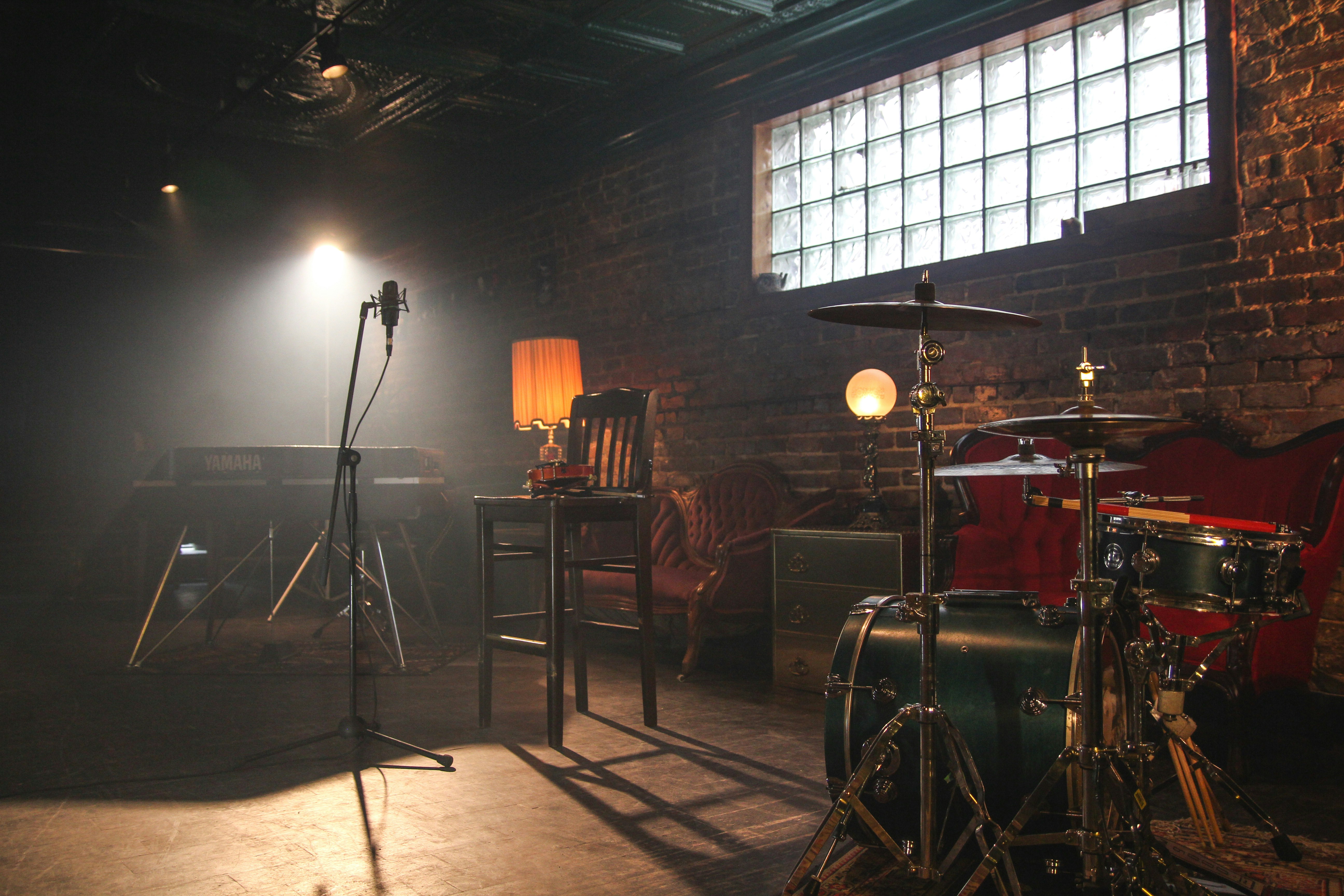
Genre boundaries are disappearing.
The most interesting Hip-Hop right now refuses to stay in its lane. You hear trap drums under indie rock guitars. 808s meet house music. Folk samples drive rap verses. The producers who understand how to blend genres are the ones getting placements.
This isn't random experimentation. Successful genre-blending follows principles—understanding what makes each genre work, finding connection points, and knowing what to keep versus what to transform.
Genre-blending isn't about ignoring rules. It's about understanding rules deeply enough to know which ones you can break.
Why Genre-Blending Works Now
Streaming removed genre gatekeeping. When discovery isn't bound by radio formats or record store sections, listeners find music by mood, not category. An indie-rock fan discovers a beat that uses similar guitar tones. A house music enthusiast recognizes familiar four-on-the-floor patterns in a Hip-Hop track.
Artists now expect producers to bring something unexpected. The most in-demand producers aren't genre specialists—they're translators who move between worlds. Understanding atmospheric production matters as much as traditional beat-making.
But genre-blending can fail spectacularly. Random combinations sound like exactly what they are—random. Successful fusion requires intention. You need to understand why elements from different genres might work together before combining them.
The data supports this trend. Spotify's genre-fluid playlists now dominate discovery. Apple Music's editorial curation increasingly features cross-genre productions. TikTok's algorithm doesn't care about genre labels—it promotes what connects, regardless of category. Producers who limit themselves to one lane are invisible to the algorithms pushing discovery in 2026.
The Principle: Find the Connection Points
Every genre has tempo ranges, rhythmic patterns, harmonic tendencies, and textural preferences. Genre-blending works when you find where these characteristics overlap or complement each other.
Rock and Hip-Hop share aggressive energy and similar tempo ranges. The connection point is often drums—live rock drums processed like Hip-Hop samples, or programmed drums with rock guitar textures.
House and Hip-Hop share the importance of low-end and groove. Four-on-the-floor house kicks can underpin Hip-Hop when the tempo (usually 120-130 BPM) accommodates rap flows.
Folk and Hip-Hop connect through sampling tradition. Boom bap production has always sampled acoustic music. Folk's acoustic textures slot naturally into this approach.
The question isn't "can I combine these genres?" It's "where do these genres already touch?"
Map it out concretely. Take any two genres and list their core elements: tempo, rhythmic feel, harmonic complexity, typical instruments, and production aesthetic. Circle the overlaps. Those overlaps are your entry points for fusion. The more overlap you find, the more natural the blend will feel. Genres with minimal overlap require more processing and creative bridging to work together convincingly.
Practical Fusion Techniques
Keep the drums Hip-Hop. The drum pattern often defines genre more than anything else. Take elements from other genres but filter them through Hip-Hop drum programming. Rock guitars over trap hi-hats. House synths over boom bap breaks.
Process foreign elements to fit. A clean indie guitar sounds out of place in a dark trap beat. But run it through distortion, filter it, add reverb—suddenly it fits. Processing bridges the gap between genres.
Respect tempo and energy. Genres have natural tempos for reasons. Fast hardcore punk samples might need tempo manipulation to fit 140 BPM trap. Slow soul samples need to feel natural at whatever tempo you're working.
Use familiar entry points. A listener might be jarred by sudden genre shifts. Create bridges—a familiar Hip-Hop element that eases them into unexpected territory. The 808 bass can ground experimental melodic choices.
A versatile sound library makes genre-blending practical. The PARADISO Sound Kit spans hip-hop, R&B, trap, and lo-fi — source material that works across genres without needing a separate pack for each style.
Another powerful technique: use genre-specific effects as transitions. A dub delay tail leading into a verse. A DJ-style filter sweep borrowed from house music. A tape stop from electronic production. These effects signal genre shifts to the listener subconsciously, making unexpected combinations feel intentional rather than accidental. Layer these transitions with your drum processing for seamless blends.
Electronic Music Fusions
House and Hip-Hop blend naturally at 120-130 BPM. The four-on-the-floor kick can coexist with Hip-Hop snare placement. Add trap hi-hats over house chords. Filter house synths to leave room for vocals.
Dubstep and Trap share aggressive aesthetics. The Dubstep wobble bass translates to Hip-Hop contexts with processing. Drop the tempo slightly, add trap drum patterns, keep the bass aggression.
Ambient and Hip-Hop create atmospheric productions. Long reverbs, textural pads, spacious arrangements—these elements from ambient music define the Travis Scott aesthetic. Think less about beats and more about environments.
UK Garage elements appear in modern R&B production. The skippy drums, pitched vocals, and specific bass patterns translate with tempo adjustment. Understanding R&B production helps you identify where these elements fit.
Don't overlook Afrobeats fusion. The genre's rhythmic complexity—layered percussion, specific guitar patterns, and log drum basslines—blends powerfully with trap and R&B production. Artists like Burna Boy and Rema have proven this fusion commercially. Start by importing Afrobeats percussion patterns over your existing Hip-Hop drum programming. The polyrhythmic layers add movement that straight Hip-Hop drums can't achieve alone.
Acoustic and Live Elements
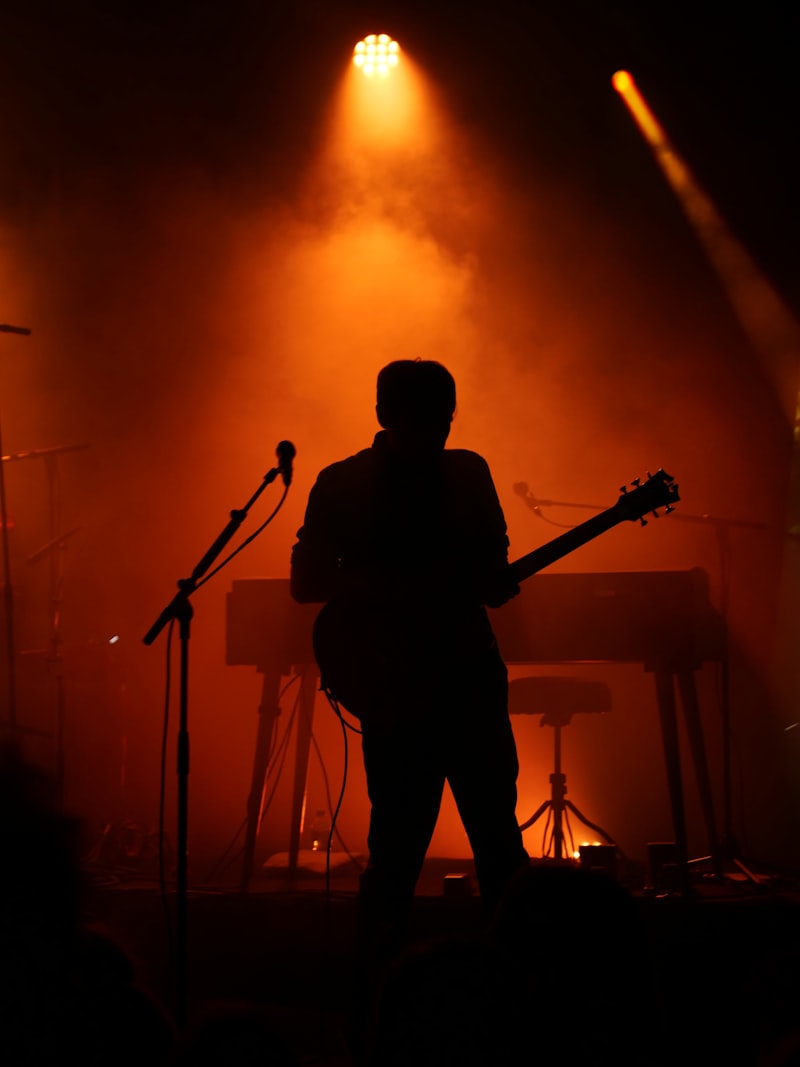
Rock guitars over Hip-Hop beats require thoughtful processing. The key is removing frequencies that fight with vocals and 808s. High-pass aggressively, control dynamics, maybe distort further. The guitar becomes texture rather than lead.
Jazz influences Hip-Hop at its core. The genre was built on jazz samples. Modern producers can incorporate live jazz elements—but remember that raw jazz recordings often need processing to fit modern mixes. Lo-fi production excels at this integration.
World music offers untapped territory. Middle Eastern scales, African rhythms, Latin percussion—these elements can define unique sounds when combined thoughtfully with Hip-Hop fundamentals.
Live drums in Hip-Hop require careful mixing. They occupy different frequency space than programmed drums. Layer live and programmed elements, or commit to one approach. Halfway solutions sound confused.
Classical music integration is rising in Hip-Hop production. String arrangements add cinematic weight. Orchestral hits create dramatic impact. Piano phrases from classical compositions, sampled or replayed, bring harmonic sophistication that synths can't easily replicate. AI stem separation makes isolating orchestral elements from recordings easier than ever—extract a violin melody from a full orchestral mix and layer it over modern production.
The Learning Path
Study genres deeply before blending them. You can't thoughtfully combine what you don't understand. Spend time in other genres—listen critically, analyze structure, understand what makes them work.
Start with subtle combinations. A single element from another genre added to a traditional beat. As you develop intuition, expand the fusion. Rushing into complex combinations creates chaos instead of art.
Reference artists who blend successfully. Study how they integrate elements, what they preserve, what they transform. Successful fusion has patterns; learning those patterns accelerates your development.
Dedicate one session per week to pure genre exploration. Don't try to make a beat—just listen to a genre you don't know well. Analyze the production: what sounds do they use, how are the drums programmed, what's the typical song structure, where does the energy peak? Take notes. These listening sessions build the vocabulary you'll draw from when blending genres later. The right sample packs can also expose you to sounds from genres you haven't explored directly.
Successful Genre-Blending Artists to Study
Learning from artists who've mastered genre fusion is the fastest way to develop your own blending instincts. Here's who to study and what to listen for.
Travis Scott: The master of atmospheric Hip-Hop. Study how he layers ambient textures, psychedelic effects, and rock energy over trap foundations. His production team creates sonic worlds rather than just beats. Pay attention to how reverb and delay create space that wouldn't exist in traditional Hip-Hop. See our breakdown of his production techniques.
Tyler, the Creator: Moves between jazz, soul, funk, synth-pop, and Hip-Hop—often within the same album. Study his chord voicings and arrangement choices. He doesn't just sample other genres; he composes within them while maintaining Hip-Hop's rhythmic foundation.
Pharrell / The Neptunes: Pioneered minimal production that borrowed from rock, funk, and electronic music. Their beats prove that genre-blending doesn't require complexity—sometimes a single unexpected element defines the fusion.
Metro Boomin: While known for trap, his best work incorporates orchestral elements, cinematic sound design, and melodic complexity borrowed from film scoring. His "Heroes & Villains" album is a masterclass in atmospheric trap fusion.
Kaytranada: Blends house, funk, R&B, and Hip-Hop so seamlessly that categorizing his music is almost impossible. Study his drum programming especially—it's where the genre fusion lives. His rhythms pull from house and broken beat traditions while maintaining Hip-Hop groove.
Rosalia: Fuses flamenco with reggaeton, trap, and electronic production. Proof that even deeply traditional genres can merge with contemporary production when the connection points are genuine. Analyze how she preserves flamenco's emotional intensity while wrapping it in modern production.
How to Start Blending Genres in Your Beats (FAQ)
If you've never attempted genre fusion, here's a practical starting sequence.
Week 1 — Add one foreign element: Take your standard beat style and add a single element from another genre. A rock guitar sample over your trap beat. A house chord stab in your boom bap track. A folk acoustic loop under your R&B production. Keep everything else normal. Listen to how that one element changes the track's character.
Week 2 — Process for integration: Take the same approach but now focus on processing. That rock guitar? Filter it, distort it, pitch it, reverb it until it sounds like it belongs. Learn how processing bridges genre gaps.
Week 3 — Combine two elements: Add two elements from another genre. A guitar and a live drum loop. A synth pad and a four-on-the-floor kick. Notice how multiple elements from the same source genre create a stronger fusion than random individual pieces.
Week 4 — Full fusion attempt: Build a beat where the genre blend is the concept from the start. Choose your two genres intentionally, identify connection points, and construct the beat around the fusion rather than adding fusion elements afterward.
Don't stress about results immediately. Genre-blending is a skill that develops over dozens of attempts. Your first fusions will sound forced. That's normal. Keep experimenting, keep listening critically, and the blends will become more natural over time. Use AI tools to generate reference material from different genres if you need inspiration for cross-genre textures.
SOUNDS THAT CROSS GENRES
One Kit. Every Fusion.
Stop buying a different pack for every genre. One kit that works whether you’re making trap, R&B, lo-fi, or something new. Your beats sound polished across any style without starting from scratch every time.
Shop PARADISO →Starting at $59 · Instant download · Any DAW
Want to hear it first? Grab a free sample pack: