

How to Sell Beats Online: Complete Guide (2026)
Most producers who try to sell beats online fail.
Not because they lack talent. Not because the market is too crowded. They fail because they approach beat selling like artists instead of entrepreneurs. They upload beats, share links on social media, and wait for sales that never come.
The producers who actually build sustainable income from beats understand something different: selling beats is a business. It requires strategy, consistency, and an understanding of what artists actually need—not just what producers want to make.
If you're serious about selling beats, you need to stop thinking like a producer and start thinking like a problem solver.
Choosing Your Platform
BeatStars dominates the beat selling market, and there's a reason. Their marketplace exposes your beats to artists actively searching for instrumentals. Their licensing system handles the legal complexity. Their payment processing works reliably.
But BeatStars isn't your only option. Airbit offers similar features with a different audience. Traktrain positions itself as more curated, attracting artists who expect higher quality. Your own website—built on Shopify or similar—gives you complete control and higher profit margins, but requires you to drive all your own traffic.
The smart approach? Start on BeatStars to learn the market and build initial sales. Use that data to understand what artists want. Then expand to your own site once you have a catalog and audience to leverage.
What Actually Sells
Your most creative, experimental beats probably won't sell. Artists shopping for beats want something specific: instrumentals that make them sound good. They're looking for beats that support their vocals, not beats that overshadow them.
Study what's charting. Not to copy it, but to understand the structures, tempos, and sounds that commercial artists use. If you're making beats at 90 BPM when the market wants 140 BPM, you're solving a problem no one has.
Type beats work because they solve the discovery problem. An artist searching for "Drake type beat" has already decided what style they want. Your job is showing up when they search. Understanding what makes a Drake type beat work—or a Lil Baby type beat, or whatever style you produce—helps you create beats that match artist expectations.
Production Quality Matters More Than Quantity
Upload fifty mediocre beats, and you'll make fifty mediocre first impressions. Upload ten exceptional beats, and artists will browse your entire catalog looking for more.
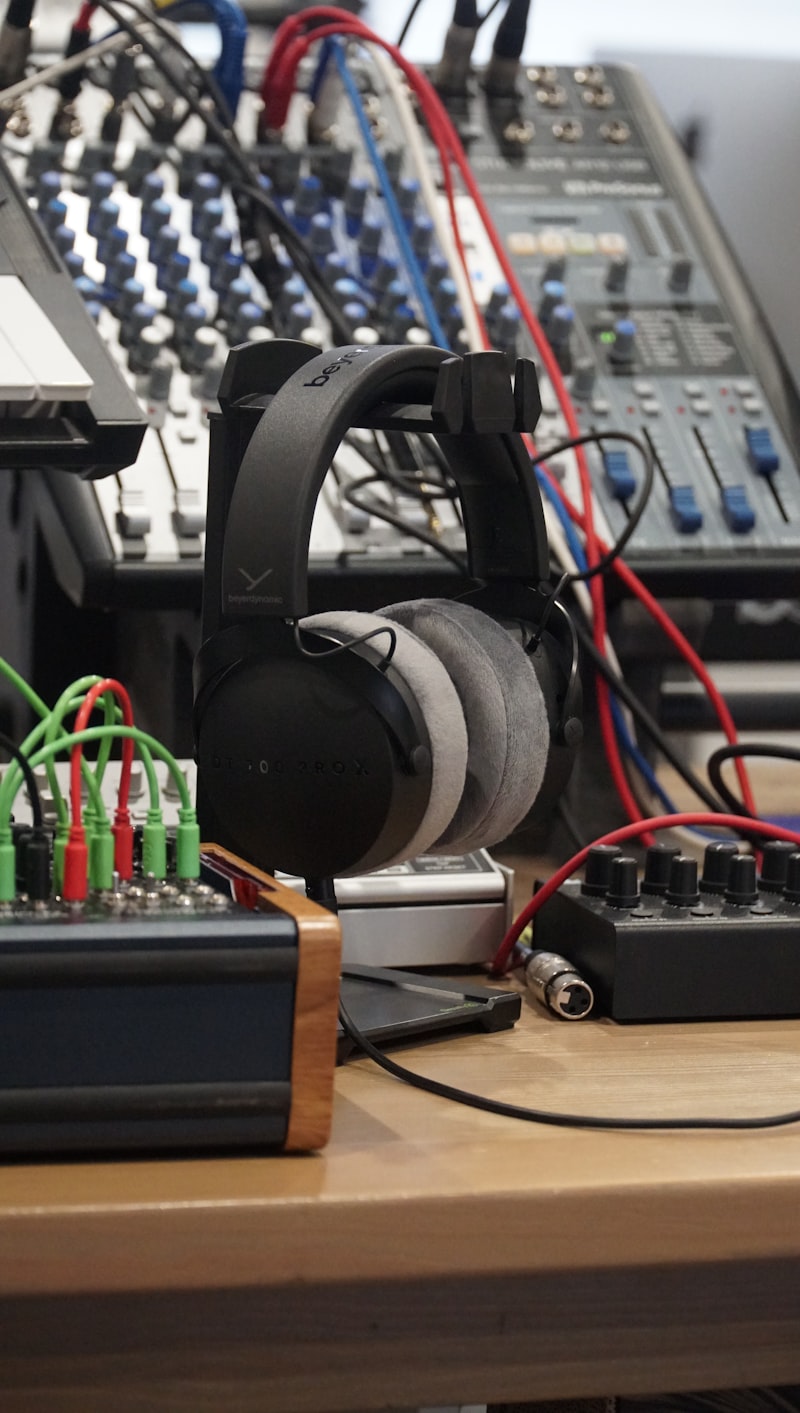
Quality starts with your sounds. Producers using weak samples fight an uphill battle in every mix. When your 808s hit properly and your drums punch through without processing gymnastics, you're starting from a stronger position.
But quality extends beyond sounds. Your arrangements need to make sense for artists. That means proper song structure—intro, verse, hook, verse, hook, bridge, outro. It means leaving space for vocals. It means avoiding the common producer trap of filling every frequency with sound.
Mixing for commercial release is non-negotiable. Artists expect beats that sound professional. If your beats require extensive mixing before they're usable, artists will move on to producers who deliver ready-to-use instrumentals.
Pricing Strategy
New producers often price too low, thinking cheap beats will attract more buyers. But low prices signal low quality. Artists who pay $20 for a beat expect $20 quality. They're not your ideal customers anyway—they'll haggle, disappear, and never return.
Standard lease pricing typically ranges from $29-$49 for MP3 leases, $49-$99 for WAV leases, and $149-$299 for trackouts. Exclusive rights typically start at $299 and can go much higher depending on your reputation.
The key insight: lease stacking works. Selling the same beat multiple times through non-exclusive licenses generates more revenue than chasing exclusive sales. A beat that sells twenty leases at $39 makes $780—more than most exclusive deals.
Marketing That Actually Works
YouTube remains the best discovery platform for beat selling. Artists search YouTube for type beats constantly. Your video doesn't need to be fancy—a simple visualizer with the beat playing works fine. What matters is the title, description, and tags matching what artists search for.
Instagram and TikTok serve different purposes. They're less about direct sales and more about building recognition. Short clips of your production process, snippets of new beats, and behind-the-scenes content humanize your brand. When an artist recognizes your name from social media and then finds you on BeatStars, that familiarity converts to sales.
Email lists work better than social media for driving sales. Collect emails from your website visitors and beat page. When you drop new beats, email your list. These are people who already expressed interest—they convert at much higher rates than cold traffic.
Consistency Over Perfection
The producers who build sustainable beat selling income share one trait: consistency. They upload regularly. They engage with their audience consistently. They treat this as a job, not a hobby.
That doesn't mean working constantly. It means having systems. Batch your production—make several beats in one session. Batch your uploads. Schedule your social media in advance. Create templates for your video production and descriptions.
Burnout kills more producer careers than competition does. Build systems that let you produce quality work without exhausting yourself. When production feels like a grind, your creativity suffers—and artists can hear it in your beats.
Best Platforms to Sell Beats Online in 2026
The beat-selling landscape has evolved significantly. While the core platforms remain, their features, fees, and user bases have shifted. Here is how the major platforms stack up heading into 2026:
1. BeatStars -- Still the Market Leader
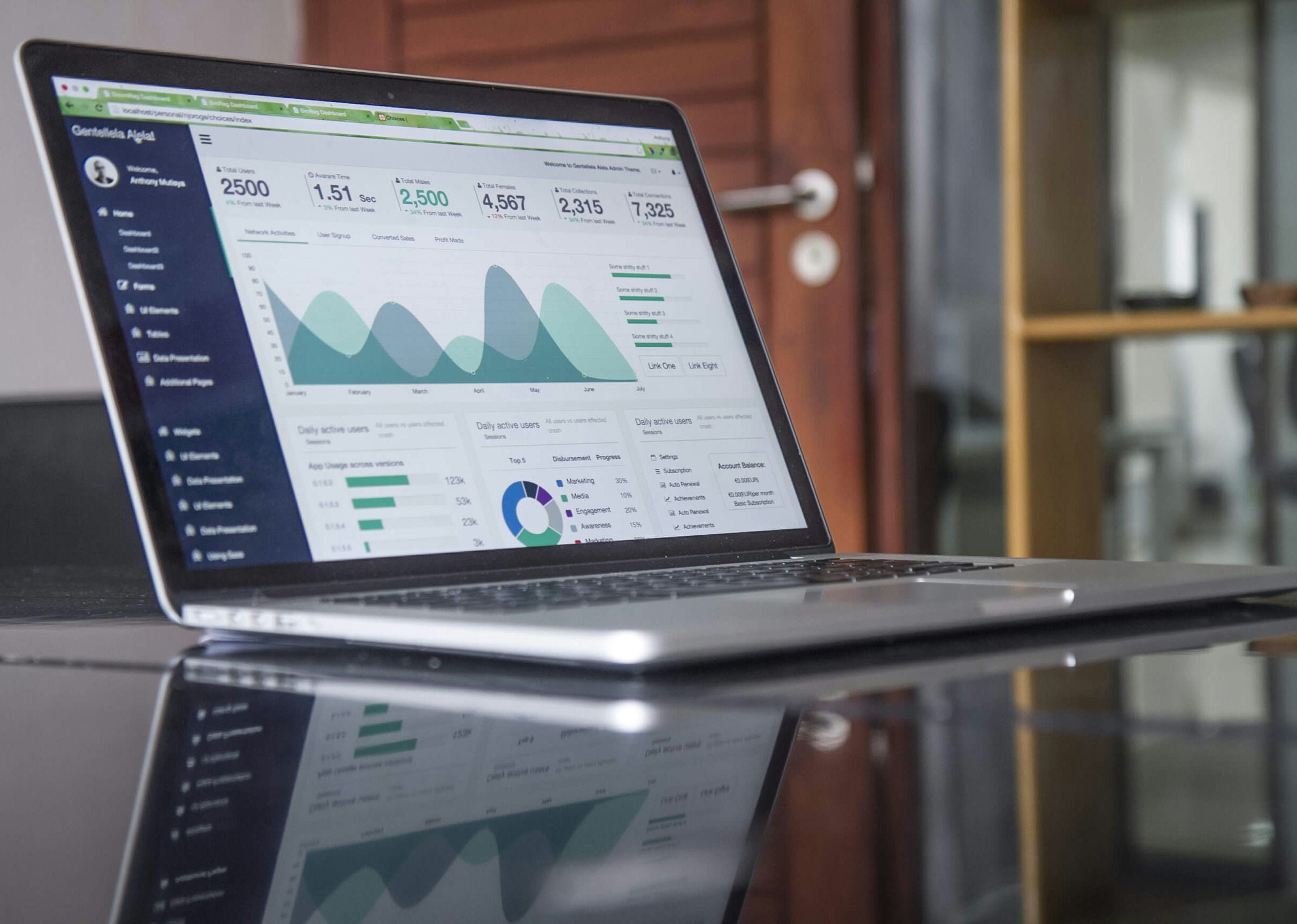
BeatStars maintains its position as the largest beat marketplace with over three million monthly visitors. In 2026, the platform introduced AI-powered discovery that matches artists with producers based on style preferences and listening history, making it easier for your beats to find the right audience. The free plan lets you upload up to ten beats with basic storefront features. The Pro plan ($19.99/month) removes upload limits, provides a custom domain, and adds advanced analytics. BeatStars takes zero commission on the Pro plan -- you keep 100% of sales. For FL Studio users, BeatStars offers a direct plugin integration that lets you upload and manage your catalog without leaving your DAW.
2. Airbit -- Strong International Presence
Airbit has carved out a niche with strong international reach. Their marketplace attracts artists from markets that BeatStars covers less thoroughly, particularly in Europe and Latin America. Competitive pricing on plans and a clean, professional storefront design make Airbit a solid alternative or complement to BeatStars. Their licensing templates are well-regarded for legal clarity.
3. Traktrain -- Curated Quality
Traktrain positions itself as the "boutique" marketplace. They accept only a fraction of applicants, which keeps quality high and creates an audience of serious artists willing to pay premium prices. If your production quality is strong, Traktrain's selective approach means less competition and higher per-sale revenue. The trade-off is lower overall traffic compared to BeatStars.
4. Your Own Website (Shopify, WordPress, etc.)
Selling from your own website -- whether built on Shopify, WordPress with WooCommerce, or another platform -- delivers the highest profit margins. No commission, no platform fees beyond hosting, and complete control over branding and customer experience. The challenge is driving your own traffic through SEO, social media, and email marketing. This approach works best as a complement to marketplace presence, not a replacement.
5. SoundClick
SoundClick's audience has declined over the years, but a core user base remains. If you have a catalog already uploaded there, it is worth maintaining. For new producers, the other platforms offer better visibility and features. SoundClick's primary advantage is its long history and established user community.
Most successful producers in 2026 use a multi-platform strategy: BeatStars or Airbit for marketplace discovery, their own website for direct sales and email capture, and YouTube for organic reach. Diversifying your presence protects against any single platform's algorithm changes.
BeatStars vs Airbit: Which Platform Should You Choose in 2026?
This is one of the most common questions from producers getting started with beat selling. Here is a direct comparison of the two leading platforms:
- Audience Size: BeatStars wins with significantly more monthly visitors. More traffic means more potential buyers seeing your beats.
- Commission and Fees: Both platforms offer zero-commission plans at their paid tiers. BeatStars Pro is $19.99/month; Airbit's equivalent plan is similarly priced. On free plans, both take a percentage of sales.
- Storefront Customization: Both provide professional storefronts with custom domains on paid plans. Airbit's design is slightly more modern out of the box; BeatStars offers more customization options.
- International Reach: Airbit has stronger penetration in European and Latin American markets. If your music appeals to international artists, this matters.
- Licensing Flexibility: Both platforms support custom license templates. BeatStars' licensing system is more established, with industry-standard templates that artists and labels recognize.
- Discovery Features: BeatStars' 2026 AI-powered matching gives it an edge in connecting producers with relevant artists.
The recommendation: Start with BeatStars for its larger audience and brand recognition. Add Airbit if you find your music resonates with international markets. Running both simultaneously costs nothing on free plans and doubles your exposure. As your income grows, upgrade to paid plans on the platform that generates the most sales for you.
Ready to level up?
Great beats start with great sounds. The PARADISO Sound Kit delivers 2,350+ production-ready sounds—drums that punch, tuned 808s, and melodies that inspire.
Grab our free sample kit and hear the difference: